




This article is jointly published with The Daily Utah Chronicle as part of collaborative coverage of the 2026 Sundance Film Festival.
Director Joanna Natasegara had heard a few things about Dutch-Moroccan rapper Tarik “Cilvaringz” Azzougarh’s controversial involvement in Wu-Tang Clan’s seventh studio album “Once Upon a Time in Shaolin.” But after meeting him “by accident,” she said, she felt compelled to tell the “twisting, turning story” of the man credited, or blamed, for what happened to the most expensive album ever made.
From fan to disciple
The first half of the documentary follows how Cilvaringz entered the Wu-Tang Clan’s inner circle. The primary interviewee throughout the film, Cilvaringz recounts how music was his form of escapism from his traumatic childhood in Holland, where his family was frequently met with discrimination. He learned about the Wu-Tang Clan as a teenager, and with a lot of persistence (or good luck), he was discovered by Wu-Tang members at an Amsterdam concert in 1997.
“There’s such a message of resilience and a message of going for your dreams. If you have a dream, why not try?” Natasegara said.
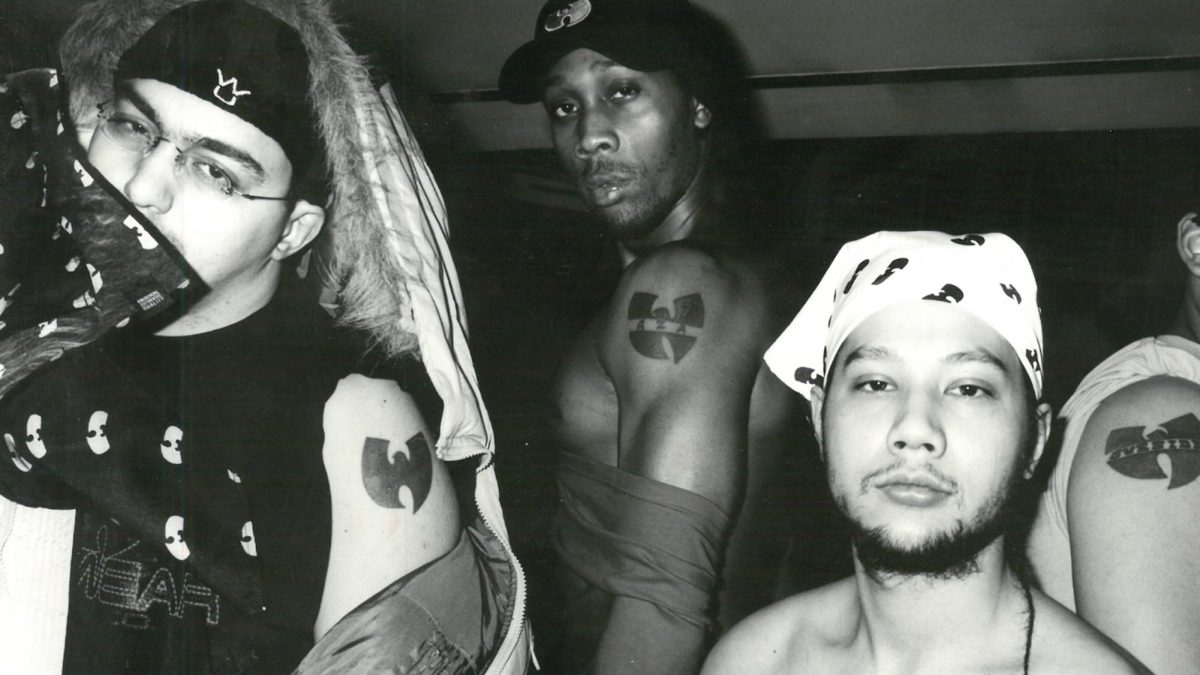
Trying paid off: under the mentorship of the RZA, Cilvaringz became one of Wu-Tang’s close affiliates and producers for the following decade, opening for Wu-Tang on tour and eventually releasing his first solo album. But the biggest project Cilvaringz undertook was the secret production of “Once Upon a Time in Shaolin”: 31 tracks recorded over six years, featuring all Wu-Tang Clan members and several affiliate artists, including members of the Killa Beez. And he had a subversive, insane idea for distributing the music.
With the democratic go-ahead from Wu-Tang members, “Once Upon a Time in Shaolin” was sold as a singular, non-replicable copy, to the highest bidder.
An album’s worth
In the early 2000s, digital piracy services had hammered album sales into the ground. For Cilvaringz, the unique sale of “Once Upon a Time in Shaolin” aimed to, with a high amount of risk, subvert the devaluation of music in the internet era. This was a great work of art; why not sell it like one? The Mona Lisa is singular, and worth hundreds of millions of dollars. Perhaps creating market singularity for a recorded album was the answer to the increased disposability of new music.
“People are finding innovative new ways to attach the music to something that is real and has personal significance. You can invest with a deeper energy than some little file that’s just somewhere in the atmosphere,” Cyrus Bozorgmehr, consultant on the album and interviewee in the documentary, said.
But unlike a painting in a museum, what makes music special is that it’s a broadly democratic art form. So the sale of “Once Upon a Time in Shaolin” and the events that followed were met with rage from fans. Why would a group that has centered itself on making music for the people suddenly act seemingly antithetical to their mission, selling one copy of their work for $2 million?
A new age of listenership
“The Disciple” gives a voice to the man behind this cultural experiment, but more critically implores the audience to question where the value of music comes from. And whether the exclusive sale of “Once Upon a Time in Shaolin” was a failure or a twisted stroke of genius, artists and listeners today are still grappling with how to instill value in recorded art.
“We’re seeing a resurgence of vinyl. We’re seeing a resurgence of smaller record stores coming back,” Bozorgmehr said. “I think we just need to keep finding ways to ritualize things, to make them special, to keep things symbolic, and to keep a connection that’s deeper than just a soundtrack.”