



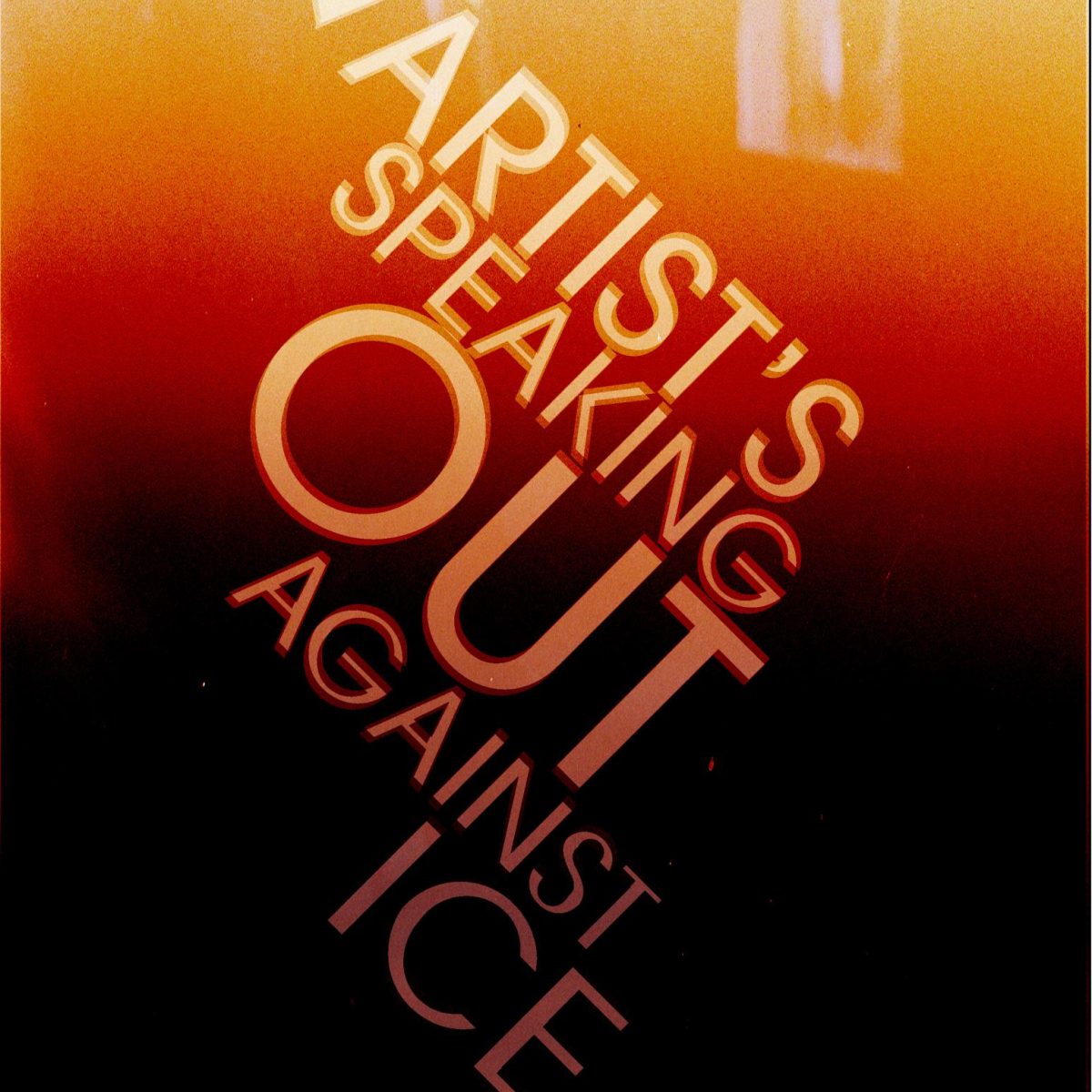
Under the Trump administration, the resurgence of strict immigration laws has returned. Although Immigration and Customs Enforcement (ICE) has long been a hot-button issue, this year it has become especially polarizing. Upwards of eight people have died in ICE custody this year, including Renee Good and Alex Pritti, two innocent people who were shot and killed by ICE. These killings sparked outrage and inspired several artists to speak out against what’s happening in America.
The attention from the Grammys
The 2026 Grammy’s was a particular standout of artists condemning ICE. Several artists, including Justin Bieber and Joni Mitchell, wore “ICE OUT” pins.
Olivia Dean started the night strong after winning the Grammy for “Best New Artist.” In her speech, she said, “I want to say I’m up here as a granddaughter of an immigrant.” She continued, “We are nothing without each other, thank you so much.” A subtle but prominent nod at what is happening with ICE.
In a much less subtle way, Billie Eilish and Finneas O’Connell used a bulk of their acceptance speech condemning ICE. “No one is illegal on stolen land,” Eilish said after her mere 12 seconds of thank yous. She continued, “I just feel really hopeful in this room and I feel like we just need to keep fighting and speaking up and protesting and our voices really do matter and the people matter and f*** ICE is all I want to say, sorry.” This speech shook the internet and Eilish was unapologetic about her statement. Eilish’s song “WILDFLOWER” won “Song of the Year” at the 2026 Grammys.
Finally, Bad Bunny concluded the Grammys after a monumental year for him. Bad Bunny won both “Best Música Urbana Album” and “Album of the Year” for his album “DeBÍ TiRAR MáS FOToS.” Earlier this year, he performed at the Super Bowl halftime show. In his acceptance speech for “Best Música Urbana Album,” he began his speech by saying, “Before I say thanks to God, I’m going to say ICE out.” This sentiment received a standing ovation from the crowd. In his “Album of the Year” acceptance speech, the only words he spoke in English were “I want to dedicate this award to all the people who had to leave their homeland, their country, to follow their dreams.” The winners for the three biggest categories at the Grammys all speaking out is a monumental start in abolishing ICE.
The inspiration of Green Day
Political statements about ICE did not start this year. Green Day’s Billie Joe Armstrong has been a driving force of artists speaking out. Back in 2016, months before Donald Trump won the election, Armstrong stated: “I mean, that’s f***ing Hitler, man!” Since then, the band has repeatedly stated its disapproval of Trump. At the beginning of June 2025, Armstrong shared a short protest clip from downtown Los Angeles on Instagram Stories, pairing it with a middle-finger emoji and an ice cube. The video included a live performance of “F*** Off,” a song from Saviors (Édition de Luxe). Along with Bad Bunny, Green Day opened the 2026 Super Bowl.
More political statements
Several other artists have spoken out against ICE. In January, Bruce Springsteen released a song titled “Streets of Minneapolis.” In the anthem, Springsteen unapologetically bashes Trump. “King Trump’s private army from the DHS, guns belted to their coats, came to Minneapolis to enforce the law.” Stringsteen has previously been outspoken about his political opinions in his music.
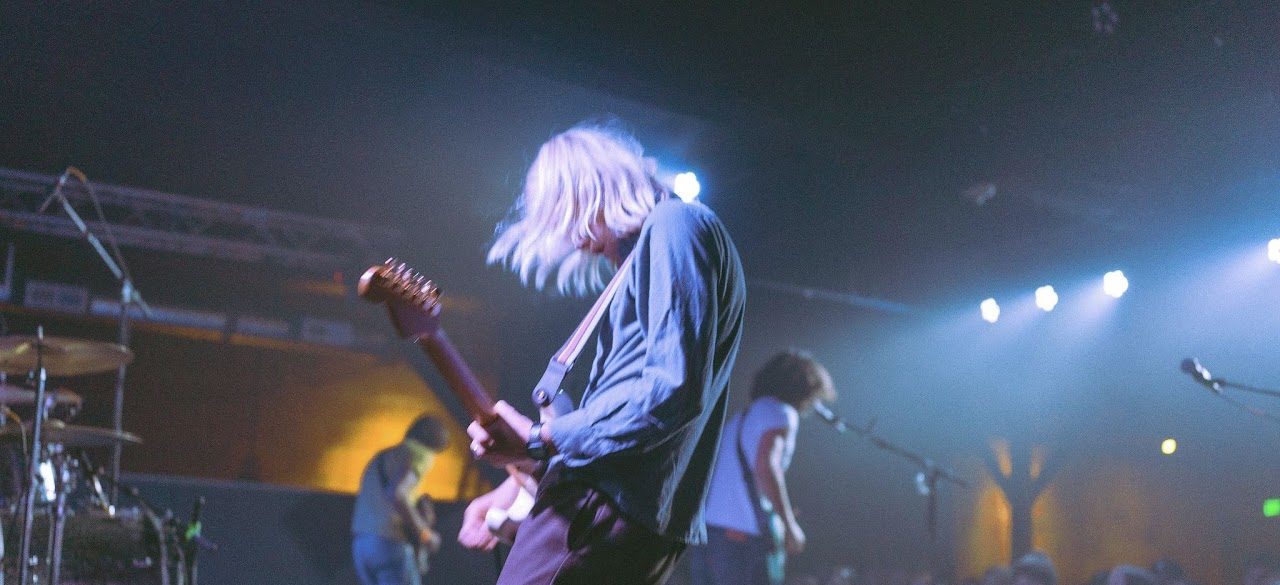
Other artists have used their concerts as a platform to take a stand. At a concert in Pasadena, California, in October, Chappell Roan shouted “F**k ICE forever,” encouraging the crowd to echo the chant back to her. Similarly, Lady Gaga used a concert in Tokyo in January to take a stand. “In a couple of days, I’m gonna be heading home, and my heart is aching thinking about the people, the children, the families, all over America, who are being mercilessly targeted by ICE,” she said on stage.
From the Grammy Awards stage to sold-out arenas around the world, artists are increasingly using their platforms to challenge the actions of ICE. Whether through speeches, lyrics or live performances, their messages reflect a broader cultural shift in which music and activism intersect more visibly than ever.