


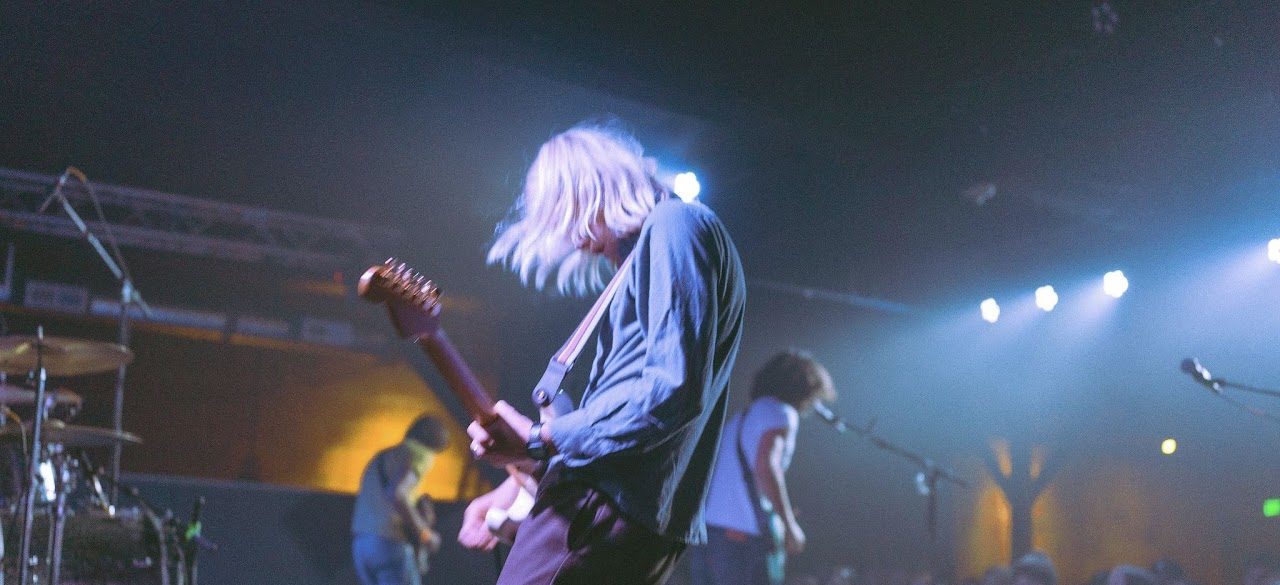


Harry Styles shook the music scene earlier this month when ominous Hollywood Blvd posters marked the end of his three-year musical hiatus. On Jan. 14, he announced his new album with the verbose title, “Kiss all the time. Disco, occasionally” (KATTDO). On Jan. 22, Styles dropped the lead single, “Aperture,” an offbeat lo-fi techno spin on his usual classic pop sound. Styles announced the 50-stop ‘Together, Together’ world tour for KATTDO the same day that ‘Aperture’ dropped, and tickets went on sale just a week later.
Greed all the time. Music, occasionally
Despite “Aperture” receiving mixed reviews, the “Together, Together” tour is already effectively sold out. The huge success of this rapid roll-out can be credited to Style’s 2021-2023 world tour, “Love on Tour,” which became the fifth highest-grossing tour of all time, drawing in raving reviews and building a cult-following of fans who, in some cases, attended hundreds of shows.
However, the ‘One Direction’ alumnus is receiving backlash online from fans who couldn’t afford his outrageous ticket prices, which went for over $1,000 on presale in some cases. Pit tickets are currently on the resale market for close to $4,000. Ticketmaster’s website says that general admission, non-resale tickets for “Together, Together” cost between $60 and $859.77 (with an $11 processing fee, of course). These unaffordable prices have triggered some fans to nickname Style’s upcoming album, “Greed all the time. Music, occasionally.”
Ticketmaster is evil
Opinion is divided on who is at fault for these mortgage-payment-priced concert tickets. Some fans shield Styles from all blame, citing the fact that Ticketmaster is a soulless, greedy and illegal monopoly that ruined concerts for everyone. The corporation uses a predatory tactic called dynamic pricing, in which they increase the price of tickets based on how many people are in a virtual queue waiting for their release. Dynamic pricing sometimes even tracks people’s personal data, creating unique prices depending on the maximum amount they calculate an individual is willing to pay. Someone who paid a high price for Style’s last tour might see a higher price for this tour than someone who tends to be fickle with their online purchases.
Another major factor for rising ticket prices is the resale market. Resellers use bots to buy up tickets when they are first released because fans will pay much more for tickets after they’re sold out and as the show date comes closer. This creates false demand, driving up prices for everyone. Ticketmaster isn’t at the whims of this resale market- most resales happen through ‘verified resale’ on their site to prevent scammers. In many cases, fans get their tickets refunded by Ticketmaster (an option that costs extra), just for Ticketmaster to resell their tickets for two or three times their original cost as the show gets closer. So, Ticketmaster facilitates and controls the artificial inflation caused by the resale market.
If you are not mad at Ticketmaster, you should be. Concert tickets have gone up in price by 140% since 2010, when the company broke U.S. anti-trust laws by merging with Live Nation. But, in 2025, the CEO of Ticketmaster, Michael Rapino, said that concert tickets are too cheap. “In sports, I joke that it’s like a badge of honor to spend $70,000 for Knicks courtside tickets,” he said. “They beat me up if we charge $800 for Beyonce.”
Standing up to Ticketmaster is possible
A $1,000 concert ticket will always be insultingly unreasonable. When Elvis was the most famous person alive in 1979, tickets to see him in Las Vegas went for a modest $66 when adjusted for inflation. But a protest against this cost is difficult to rally around. Ticketmaster is a monopoly, so it is inherently difficult to boycott. Fans who are willing and able to pay such a high price to see Harry Styles won’t give up the experience on precedent. Still, if anyone has the power to stand up to these colossal corporate villains, rich pop A-listers seem like the perfect nominees.
Other artists have stood up to Ticketmaster. The Grammy’s Best New Artist, Olivia Dean, got Ticketmaster to cap ticket resale prices and refund fans who had already paid over $1,000 for her 2026 tour. Dean described Ticketmaster as “exploitative, disgusting and vile.” Her tickets now range from $50 to $120. Ariana Grande was able to implement a similar policy for her “Eternal Sunshine” tour. After the tour sold out in just two minutes and tickets hit quadruple-digit prices, tickets sold to reseller bots were cancelled, refunded and sold to fans through a lottery system. Ticketmaster said that these scaplers violated their terms of service, and Grande thanked fans for their patience. However, “Eternal Sunshine” Tour tickets are still going for close to $1,000 in some cases.
More than a musician
Fans putting pressure on artists to sell their concert tickets at an affordable price works. But when artists have a cult following, there’s no such thing as negative fan pressure. Taylor Swift proved this when fans considered themselves lucky dish out thousands of dollars to see “The Eras Tour.” In many cities, fans who couldn’t get their hands on tickets listened to the show from the venues’ parking lot.
Harry Styles has proved himself to be a similar cult personality. Despite the ticket price criticism, the “Kiss all the time. Disco, occasionally” tour is sold out before the album has even been released. Fans are shelling out amounts of money that even they know are unreasonable to listen to songs that they haven’t heard yet. These multi-million dollar world tours are less about music and more about people; die-hard Harry Styles fans want to see their idol regardless of what he does on stage.
Public trust and celebrity culture
The all-time-high cost of a luxury item like concert tickets can be explained by economic factors that have affected every part of society- disgusting corporate greed and rapid, uncurbed inflation. But the reason that people continue to shell out this high cost regardless of how unattainable it is can be explained by cultural factors. Institutional public trust is societal glue, and people today must grapple with where to instill it.
Our generation is the least religious ever. We also have the lowest amount of government trust or even trust in democracy in general. In past generations, sociologists have theorized that trust in corporations is overtaking the societal need for institutional trust, where the government and religion have fallen behind. But Gen Z does not trust big companies. The majority of young adults today hold a negative view of capitalism.
Despite this nihilism, Gen Z engages with celebrity culture more than past generations. The rise of influencer as a category of fame has, somewhat counterintuitively, made celebrity culture feel more attainable and relatable despite the horrible state of our economy. So, Gen Zsubstitutes celebrity culture for traditional institutional trust. Harry Styles breaches the psyche of his fans because he has been there for them as a beacon of community and novel experience since they were children. A Harry Styles concert isn’t just about music in the same way that church services aren’t just about the bible. These events bring about social cohesion through millions of people coming to a unanimous, mutual agreement about the same thing. In both cases, this is facilitated by dedication and worship.
But are larger-than-life celebrity personas really separate from the corporate entities that bolster them? Only Mr. Styles himself will ever truly know where his brand ends and where his actual identity begins. Still, we must ask ourselves if celebrity worship really is different from placing institutional public trust in the hands of an evil corporation. When is Harry Styles a friendly mask worn by Ticketmaster so they can monopolize the music industry and exploit fans for as much money as possible? When the role that public services play in our society is quietly yet forcefully replaced with greedy private interest, we must ask ourselves how much we are willing to be exploited for our trust, attention and joy.