



In 1969, Dave Bixby sat down alone in a cult leader’s living room, dampened with thick carpet and drapes, and recorded “Ode to Quetzalcoatl” on a two-track reel-to-reel tape recorder. Bixby said in the liner notes that he “cannot take credit for composing the songs. They were given to me by the divine power of the universe.”
The album was haunting and intimate, gentle and raw, with his soft and shaky voice sounding almost ghostlike. Then, he vanished. Over the next 30 years, the few private pressings changed hands, with the story of Bixby existing told in whispers, shrouded in rumors and myth. The album was spread on the internet in the late 1990s, and a few were able to connect Bixby with the Grand Rapids cult called The Group. Many believed Bixby was dead; that he had taken his own life or disappeared with the rest of the cult in the 1990s. According to The Rapidian, in 2006, a reporter was able to track Bixby down to Arizona, where he was working as a Civil War reenactor.
Finding a void
In the summer of 1968, Bixby lived on the beach in Lake Michigan, smoking pot and dropping acid, spending his days around campfires with a guitar. After a bad trip on acid, Bixby fell into “black space forever.” In an interview with It’s Psychedelic Baby Magazine, Bixby said his “empty body wandered aimlessly” for months, unable to string sentences together. Bixby began to hear God talking to him and saw the personage of Christ after his car broke down, but Christians wouldn’t hear him out, telling him that it was the devil that he saw. He was then introduced to Don DeGraaf, the leader of the Group, and saw others feel the same pain and fear he did. To bring comfort, he began writing the songs that comprised “Ode to Quetzalcoatl” and shared them at increasingly large group meetings.
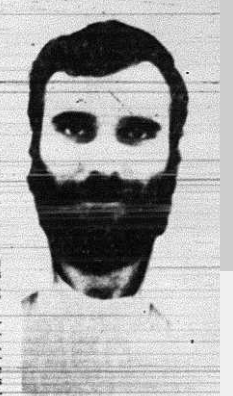
DeGraaf was not thought to be the minister type, being remembered by classmates as the “hell-raiser” in high school. DeGraaf documents his transformation in two books, Truth I and Truth II. In Truth I, he said that he got into an argument over religion at a party, saying that he didn’t believe there was a God, and that going to church on Sunday was a waste of time, when “you could be doing something more constructive, like drinking.” He then said that a young woman approached him in tears, “because he didn’t know God,” getting on her knees and praying out loud for him. This experience moved him. So much so that he was unable to speak. According to the Grand Rapids Press, he described this as the first of many divine revelations that he had received.
DeGraaf joined the Reorganized Church of Jesus Christ of Latter-Day Saints (RLDS), a sect that believes God still speaks directly to man. He formed The Group, which was described as a “Christ-centered youth group,” with gatherings of teenagers in downtown parking lots. Feeding on the anti-establishment character of the times, The Group attracted students from the nearby high school, and soon afterward, they recruited other teenagers to join, with as many as 400 teens attending weekly meetings. Disciples were tasked with peddling goods for the organization, selling “everything from pocket combs to windshield scrapers,” and eventually Bixby’s record, in parking lots and gatherings.
Filling the void
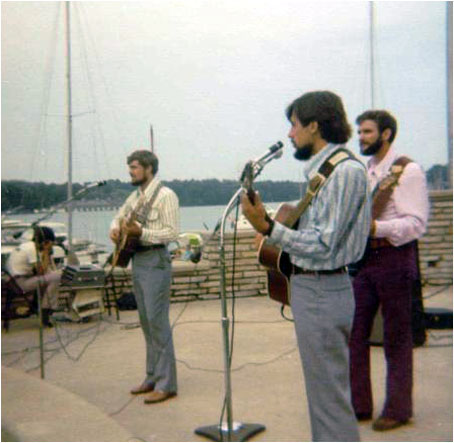
Over a two-month span, Dave Bixby wrote and performed songs for crowds at these meetings. The solitude in the room weighs heavily on the final recording, the void gently filled by the sound of his voice and his guitar, before quickly returning.
According to folklore, Bixby was deceived into drinking an alcoholic beverage by a sorcerer who envied him, and while intoxicated, committed incestuous acts with his sister. Once sober, he was overcome with shame and threw himself on a burning pyre, promising his return. His heart is said to have risen from the ashes and become the morning star. This story mirrors the story of the album, beginning with “Drug Song,” which is steeped in regret. Bixby didn’t just lose his mind; he lost his ability to connect with those around him, those who’ve suffered similarly, leaving him alone. Bixby describes this song as the “death of a soul.” He named this album after Quetzalcoatl, a Christlike figure in Mesoamerican mythology.
On the road to penance, Bixby then confesses in “Mother,” speaking of the pain he has caused his mother and his pleas for her to know that he’s found his way himself. Throughout the album, Bixby largely walks between confession and sermon, and in later interviews, refers to his songs as psalms with It’s Psychedelic Baby Magazine. To my ears, this album doesn’t come off as preachy or condescending. He humbles himself to the listener with confessions of his sins and tries to comfort the suffering.
This is encapsulated in “Morning Sun,” a song rich in affirmations, reiterating that living is an art that must be practiced. In “Open Doors,” he asks the listener to “consider the possibilities” of opening the doors in your heart and letting God come in. There are some eschatological elements in “666 Revelations,” with signs of the apocalypse used not to scare the weary into following, but rejoicing. The devil may be defeated, bringing peace to the world.
In “Waiting for the Rains,” he sings of the sacrament of baptism, continuing the theme of forgiveness and redemption. The atmosphere remains sparse and lonesome through the album, with his guitar and voice briefly filling the void before fading out.
Bixby handed the tapes over to a Christian businessman who recorded gospel choirs. The Group financed 1,000 copies, which were distributed by group members. DeGraaf became obsessed with raising tax-free money, much of which he pocketed to purchase private airplanes, expensive clothing, jewelry and foreign cars. He began selling Amway products in a multi-level marketing scheme, sending disciples out of state to set up distributorships across the country, and recruit more members. Followers were made to compete for his approval through his inner circle, which only allowed the “best disciples in.” The power he held over his young followers was intoxicating to him, and he began to take the place of God to his members. He told his disciples that he was the second coming of the prophet Elijah and asked them to address him as “Sir”.
A Messiah
Although parents were at first enthusiastic over their children becoming involved with religion, DeGraaf began to encourage members to denounce their family members and told disciples what to eat, what to wear and what ‘worldly’ jobs to hold. The Grand Rapids Press writes that this led to the RLDS chapter “silencing” the group, amid accusations of brainwashing and hypnosis. The group was forced to go underground, ending the concerts. DeGraaf told his in-group of disciples that God had “told him in an out-loud voice to prepare for the last days” and asked them to visualize him while meditating.
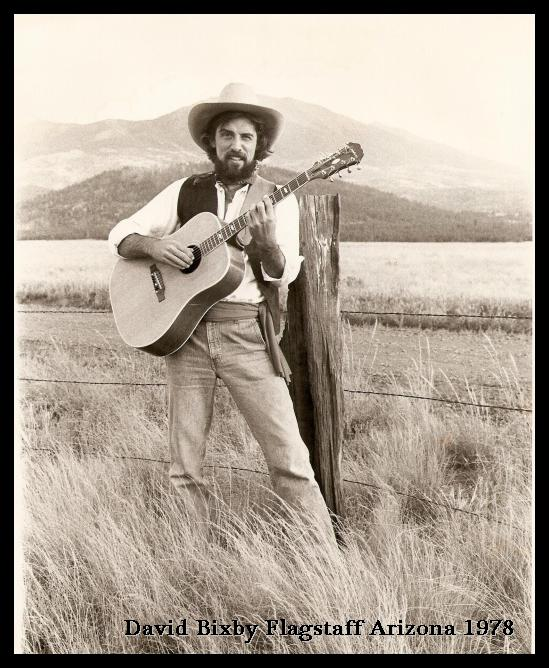
In 1975, Bixby grew disillusioned with the group, and he left to wander the world. He moved to northern New Mexico, living off the land, became a singing cowboy, sailed the Puget Sound on his own vessel, sailed south once more eventually settling down in Arizona. At this same time, “Ode to Quetzalcoatl” was ripped from vinyl and spread online, growing a substantial reputation in the psychedelic folk scene, with a large mythos behind it. The vinyl records became a large collector’s item, with listings on eBay going for upwards of $2000.
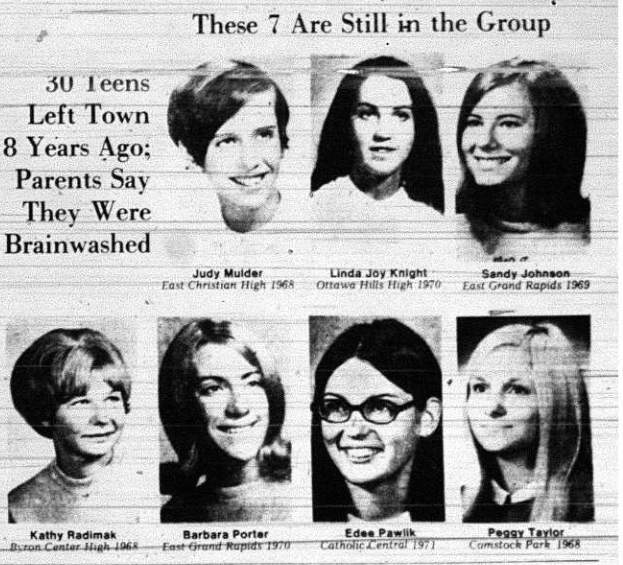
In the late 1970s, The Group purchased a small ski resort in the mountains of Northern New Mexico, bringing along more than 30 teens and young adults in tow. At the resort, the men were instructed to be celibate, while the women were to bear DeGraaf’s children. In 1980, The Grand Rapids Press released a series of articles about The Group, and the whereabouts of the disciples and DeGraaf, who was a difficult man to track down. Bixby received clippings from the articles a few years after. “It really opened my eyes,” he said. “I needed to see someone’s outside look because I was in it.” He traveled to New Mexico on behalf of the remaining disciples’ parents, thinking maybe he could help those he got in, get out. “I got a call from their parents who said ‘thank you very much, they are on a plane,’” Bixby said. Little is known of The Group after 1980, which faded out after the articles were published. As for DeGraaf, he was nowhere to be found, with only a few scattered bills and tickets across the country in his name to follow. His whereabouts are still unknown to this day. Bixby said that he “heard that he died in a helicopter crash in the 80s… but who knows.”
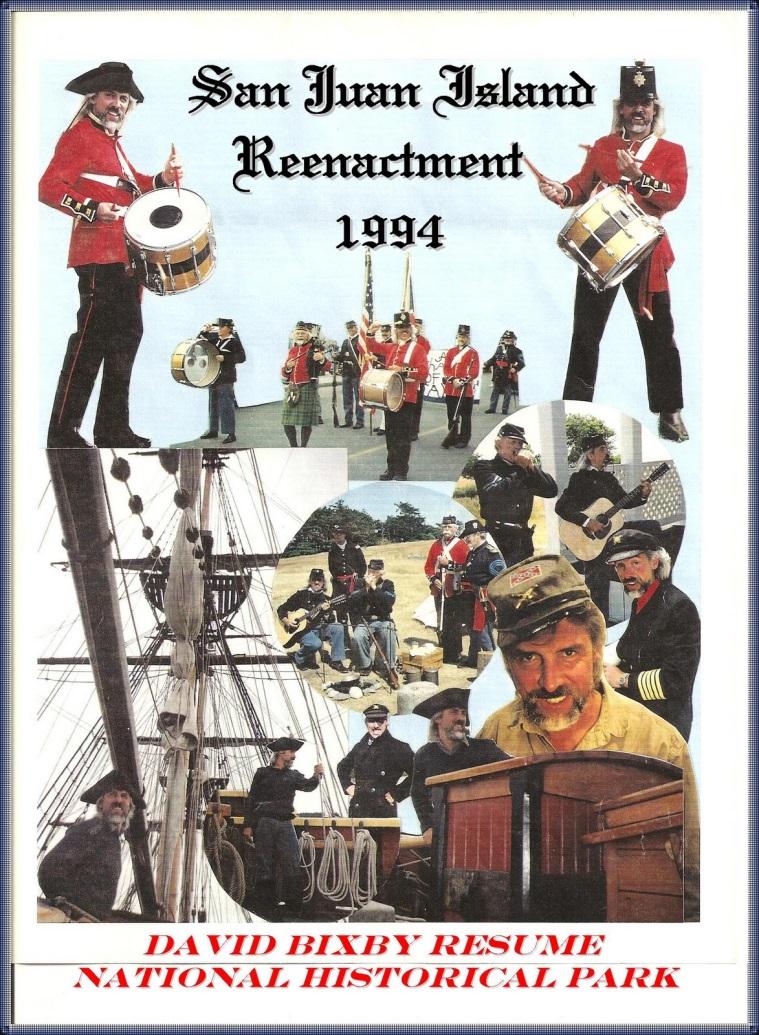
In 2006, a reporter was able to track Bixby down, where he was working as a Civil War re-enactor in Arizona. He was surprised to find that the album wasn’t lost to time and that many found solace in it nearly 40 years after its release. The album was rereleased in 2009, and in 2011, he was persuaded to return to Grand Rapids to perform, playing his own music for the first time in almost 40 years. Since then, he has begun the Harbinger Orchestra and Magazine project, which invites home musicians to reimagine his work, and has toured sporadically.
To learn more about Dave Bixby’s work, visit his website and listen on bandcamp.